
Water REUSE solutions

Every day, the world uses copious amounts of water - just once — only to throw most of it away.
Take, use, discard...a model built for a world that no longer exists.
As water stress intensifies across cities, agriculture, and communities, one reality is becoming impossible to ignore:
Water can no longer be treated as an endless resource.
The good news is that the solutions already exist. Around the world, innovative companies are proving that water can be reused, recovered, regenerated, and kept in circulation — redefining how the world values and manages water.
Curated by Expert Tapiwa Gavaza
Meet our international experts

Focus areas
Cities and Infrastructure
Large-scale water recycling systems built to strengthen urban water resilience, reduce wastewater discharge, and support growing populations
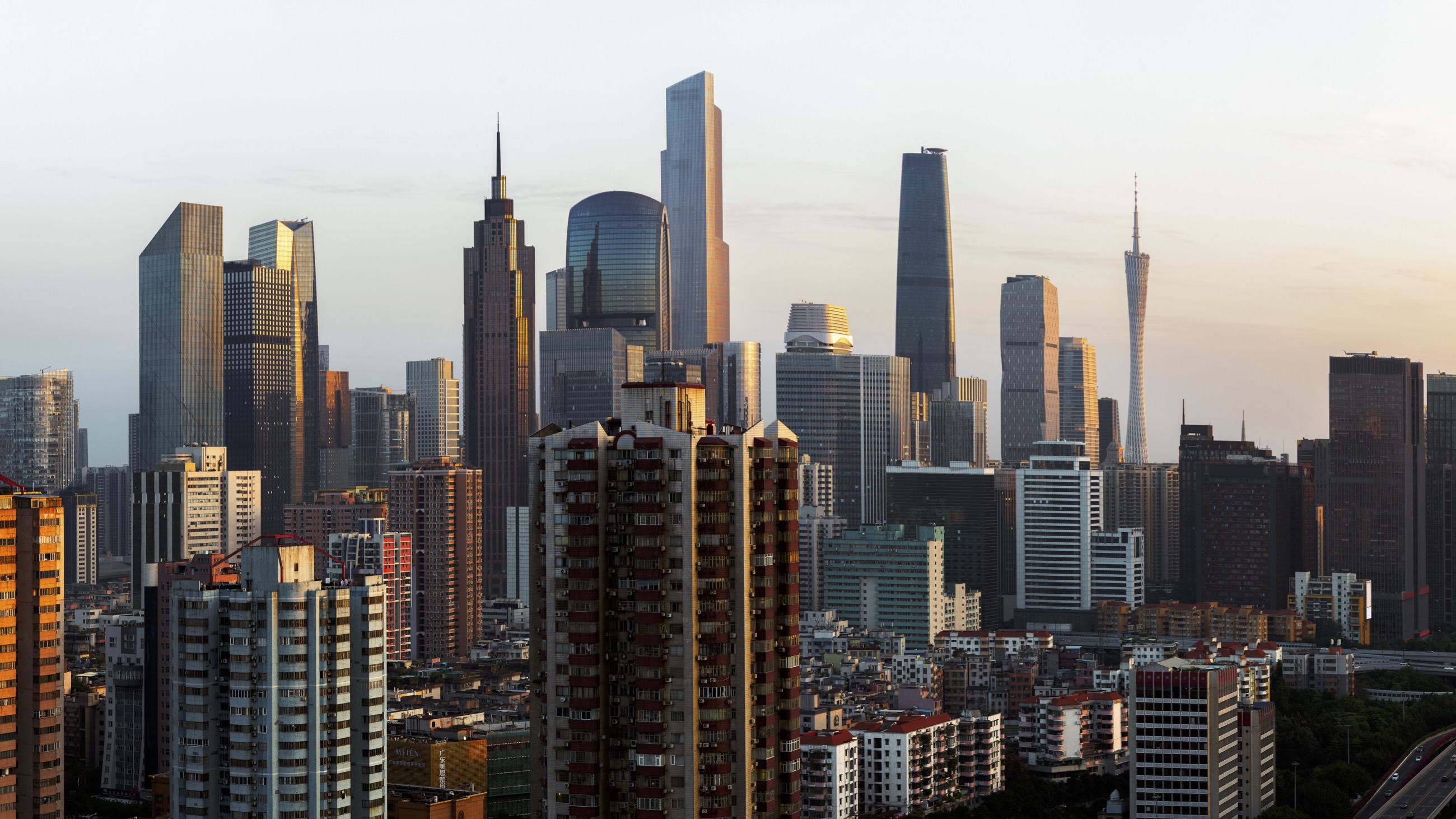
Direct Potable Reuse (DPR) — treating wastewater to drinking water standard and returning it directly to the supply — is one of the most significant shifts in urban water management in a generation. Once politically unthinkable, it is now operational in parts of the United States, Namibia, and Singapore, driven by the simple reality that in water-scarce cities, there is no alternative.
Smart city water infrastructure is being transformed by digital twin technology — virtual models of an entire city's water network that allow engineers to simulate, test, and optimise in real time without touching the physical system. Combined with AI-powered leak detection that can pinpoint a pipe failure within metres, cities are beginning to eliminate the staggering losses — sometimes 30–40% of all water — that occur between treatment plant and tap.
Industry and manufacturing
Advanced treatment systems that enable industries to recover, clean, and reuse process water while reducing waste and freshwater dependency.
Zero Liquid Discharge (ZLD) is rapidly moving from niche to mainstream in water-intensive industries such as textiles, pharmaceuticals, and semiconductors. ZLD systems recover virtually all process water for reuse, leaving behind only dry solid waste — eliminating wastewater discharge entirely. What was once considered too costly is now becoming economically viable as freshwater scarcity drives up the true cost of water.
AI and machine learning are transforming industrial water treatment. Predictive systems can now anticipate when water quality will degrade, adjust treatment processes automatically, and flag maintenance needs before they become failures — dramatically improving efficiency and reducing chemical use in the treatment process.
Residential and Communities
Systems designed to safely recycle household and community wastewater for uses such as irrigation, toilet flushing, and non-potable water supply.
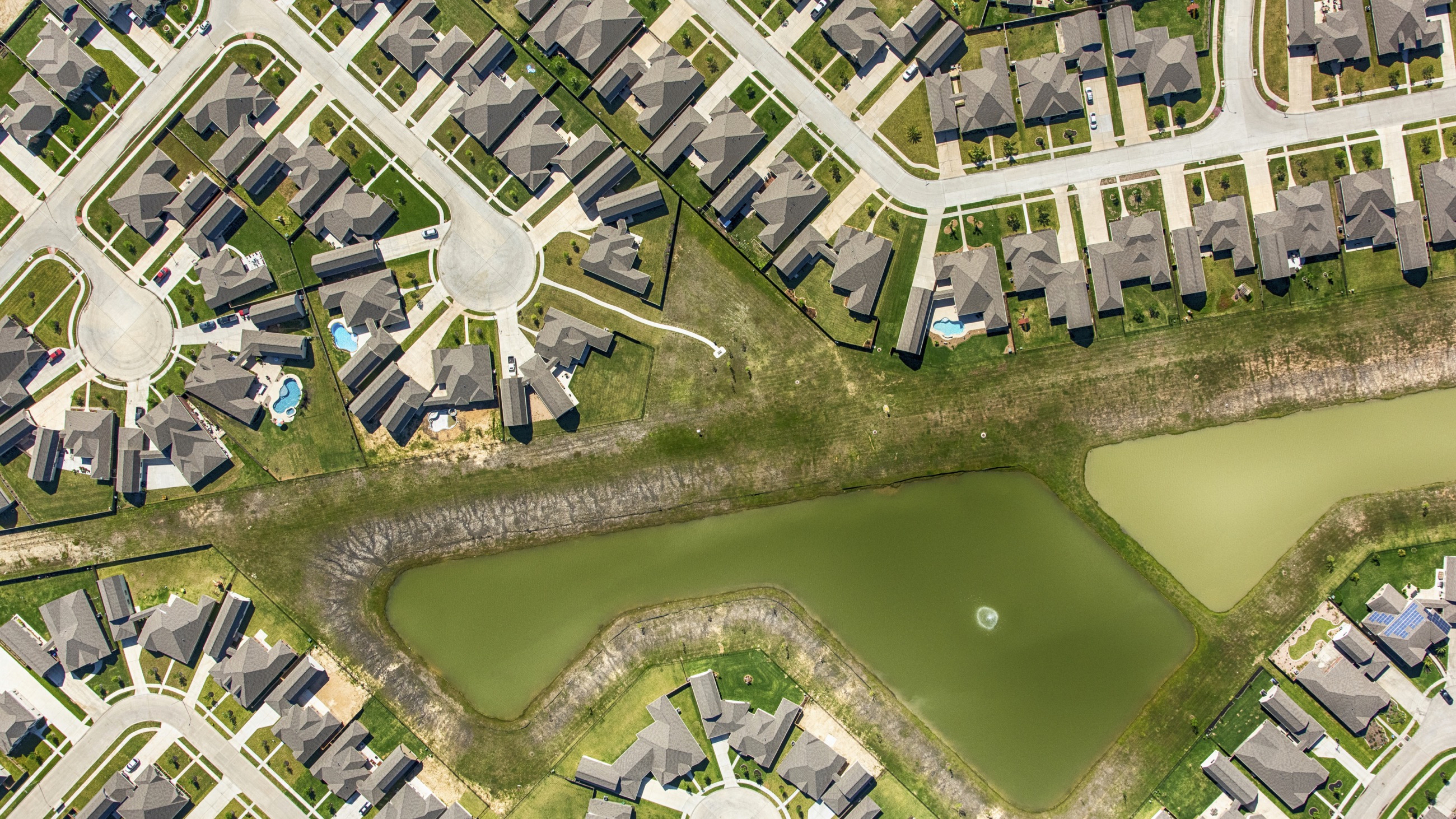
Greywater recycling technology has advanced significantly in recent years, with compact, plug-and-play systems now small enough to fit under a sink or inside a utility cupboard — making household water reuse accessible without major renovation. In some markets, smart home integration means these systems can now be monitored and managed from a smartphone, adjusting automatically based on water quality and household demand.
One of the most exciting developments is the rise of nature-based community treatment systems — constructed wetlands and biofilter gardens that treat wastewater naturally while creating green community spaces. They cost a fraction of conventional infrastructure and are gaining traction in both developing and developed markets.
Commercial and Buildings
Integrated water reuse solutions that help commercial properties reduce water consumption, operating costs, and pressure on local water supplies.
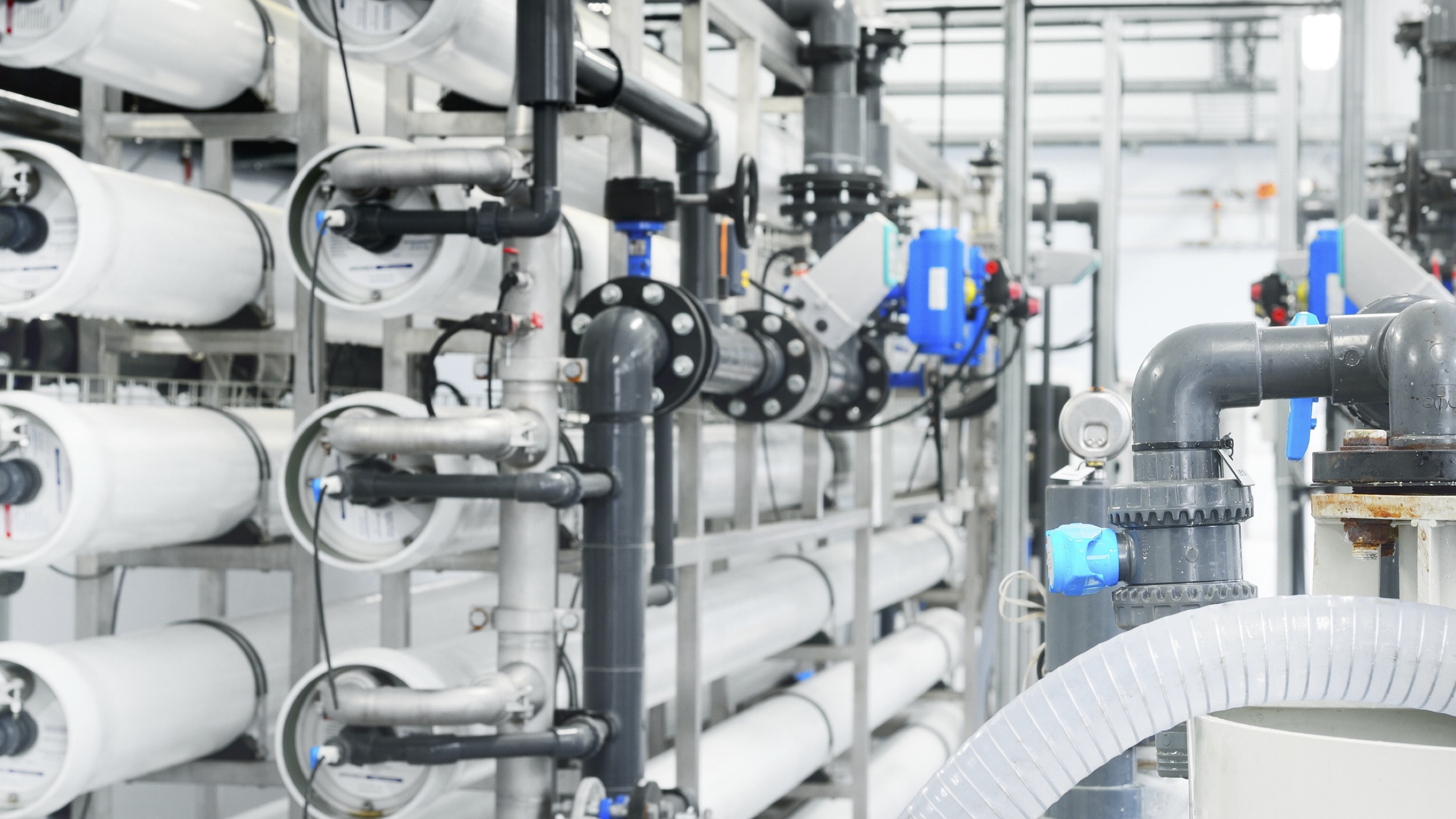
The commercial sector is increasingly turning to building-integrated water reuse as a core part of green building certification. New developments in membrane bioreactor (MBR) technology mean that wastewater can now be treated to a very high standard on-site, within the building itself, and reused for cooling, irrigation, and toilet flushing — significantly reducing a building's freshwater footprint.
AI-powered water auditing is emerging as a game changer for commercial properties. Systems can now monitor water flows in real time, identify waste and inefficiency, and automatically optimise usage across an entire building or campus — often reducing water consumption by 20–40% without any change in behaviour from occupants.
Agriculture
Water reuse technologies that support irrigation and food production with reliable alternative water sources in increasingly water-stressed regions.
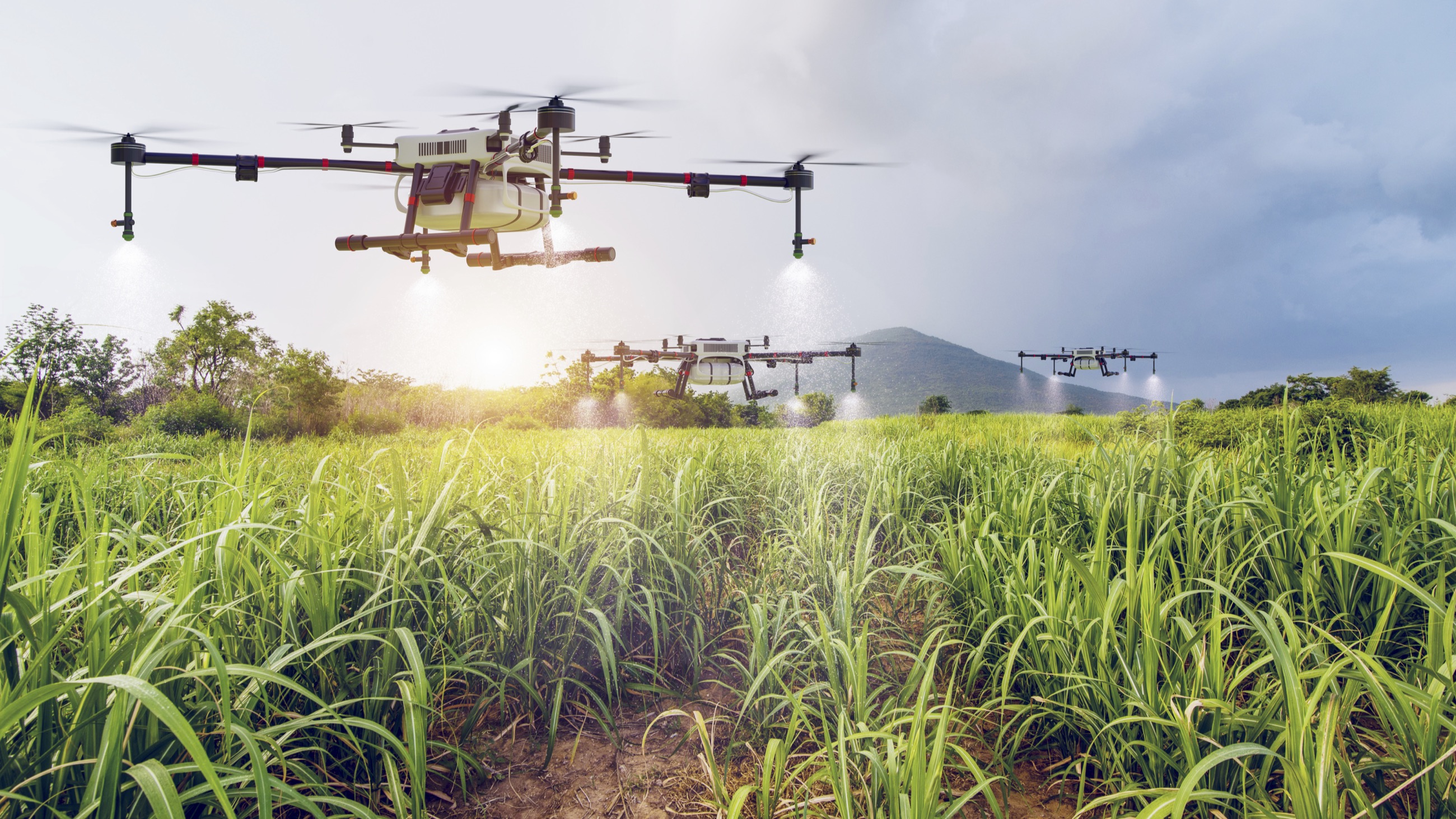
Treated wastewater is increasingly being recognised as a reliable, drought-proof irrigation source. Israel has led the way for decades — over 85% of its treated wastewater is reused for agriculture — but countries across the Middle East, India, and Southern Europe are now rapidly scaling similar approaches as conventional water sources become less dependable.
Precision irrigation combined with water reuse is producing results that were unimaginable a decade ago. Sensor networks embedded in soil can now communicate in real time with irrigation systems, delivering exactly the right amount of treated water to exactly the right place — cutting agricultural water use by up to 50% while maintaining or improving yields.
Analysis and Montioring
Technologies that track water quality, system performance, contamination levels, and reuse efficiency in real time — helping ensure safety, compliance, and smarter water management.

Water monitoring has been transformed by the arrival of low-cost, high-precision sensors that can be deployed across an entire water network — from source to tap — transmitting real-time data on quality, flow, pressure, and contamination. What once required expensive laboratory testing can now be detected instantly in the field, allowing utilities and industries to respond to problems in minutes rather than days.
AI is arguably having its biggest impact in water management here. Machine learning platforms can now analyse vast streams of sensor data to predict pipe failures before they happen, identify illegal discharge, optimise treatment chemical dosing in real time, and flag anomalies that no human operator would catch. The result is water systems that are safer, more efficient, and significantly cheaper to run.
Perhaps the most exciting frontier is the integration of satellite data with ground-level monitoring. Remote sensing can now track groundwater depletion, surface water changes, and even soil moisture at a scale and speed that was impossible a decade ago — giving water managers, governments, and investors a planetary-level view of water stress for the first time.
Peri-urban and rural applications
Wastewater reuse solutions designed for small towns, rural communities, peri-urban regions, and decentralized areas where access to reliable water infrastructure is limited or under pressure.

Across much of the Global South, peri-urban and rural communities face multiple growing pressures at once — water scarcity, unreliable energy access, aging or insufficient infrastructure, rapid population growth, and increasing climate stress. In many regions, centralized water systems are either struggling to keep pace or do not exist at all, creating urgent demand for affordable, decentralized reuse solutions that can operate locally and resiliently.
Agriculture represents one of the greatest opportunities. Treated wastewater and greywater can provide reliable irrigation water for farmers while reducing pressure on scarce freshwater supplies. At the same time, small-scale reuse systems for homes, schools, clinics, and local communities are proving that practical, lower-cost solutions already exist — helping build resilience in regions where resources are constrained but the need for innovation is immense.
Our Role
Brilliant Ideas Planet (BIP) is a neutral convening platform — connecting businesses, experts, investors and citizens with the leading ideas, tools, and partners for building a better future.
We do not promote a single model or impose a one-size-fits-all solution.
Instead, we showcase what’s working — globally — so every city, town, and region can adapt the best ideas to their own culture, climate, and circumstances.
Oops, it seems like you're not a member.
Sign up! It's free. You'll be able to read all the articles you like, download PDFs, and get in contact with the respective owners.
Have an account already? Sign in here