

Content
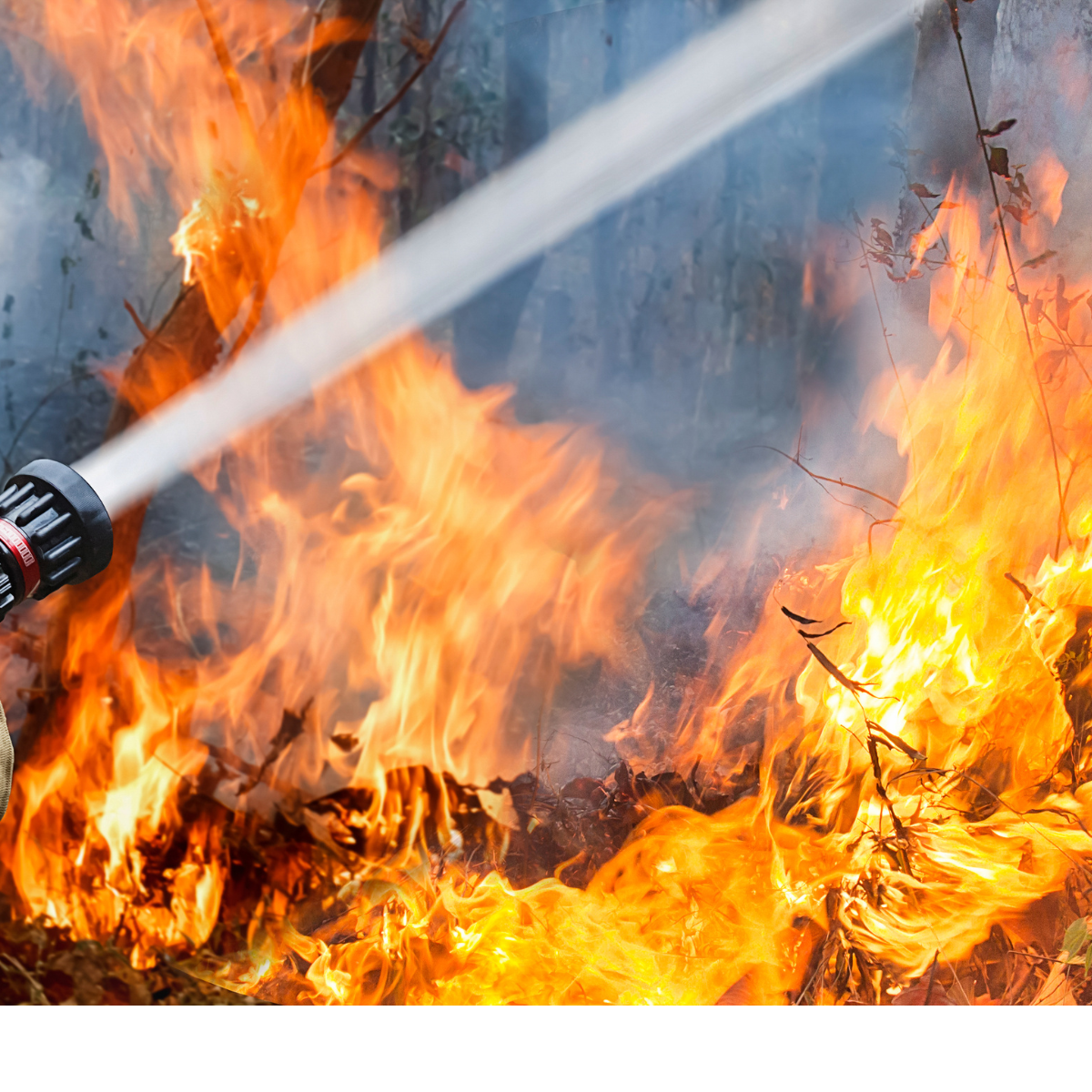
Reading about the devastating wildfires and the number of families that have been displaced reopens the conversation on the role of Atmospheric Water Generators (AWGs) and emergency preparedness.
Most people associate AWGs with remote communities, military operations or humanitarian aid. And that's correct.
But AWGs can do so much more.
As climate-related disasters become increasingly more frequent, AWGs could provide immediate clean water on the spot - wherever that spot is.
That is, if every community had them as part of their disaster relief program.
Just as we expect communities to have a fire station, ambulances and emergency shelters, what if it also had mobile, off-grid Atmospheric Water Generators capable of producing safe drinking water whenever traditional supplies were disrupted?
The unit(s) could be housed in standard shipping containers, ready to be deployed wherever needed.
They could support emergency responders during wildfires.
Provide safe drinking water after earthquakes, floods and during heatwaves.
Supply evacuation centres.
Working in tandem with all the surrounding communities, AWGs could provide drinking water for literally hundreds of thousands of stranded people and animals.
And when they weren't being used for emergencies, they could be put to use ensuring that the community's storage tanks and emergency reserves are always full, watering green spaces, supporting community events or being temporarily deployed to communities experiencing seasonal shortages.
Municipalities could even share these units through regional mutual-aid agreements, just as they already do with specialised emergency equipment.
In other words, it wouldn't be just another emergency asset that gathers dust.
It would become part of a community's everyday water resilience strategy—ready to switch roles the moment disaster strikes.
As climate risks continue to grow, we need to be better prepared.
AWGs are NOT intended to replace traditional water supplies. Rather, they are meant to provide a resilient, decentralized source of safe drinking water that can complement existing response efforts, particularly when infrastructure has been damaged.
When units are available 🙂 , they can be deployed rapidly, operate almost anywhere, and, in the case of off-grid models, function completely independently of existing infrastructure - becoming operational in less than 24 hours.
Certain models also integrate renewable energy generation alongside water production, providing both clean drinking water and power on demand—an invaluable capability when electricity and water infrastructure have been compromised.
While AWGs are not the complete answer to emergency response, they are a practical, scalable technology that deserves a place in every disaster preparedness and resilience strategy.
For more info on AWG, visit our AWG page on BIP ok
#WaterResilience #EmergencyPreparedness #AtmosphericWater #AWG #DisasterPreparedness #smartcities